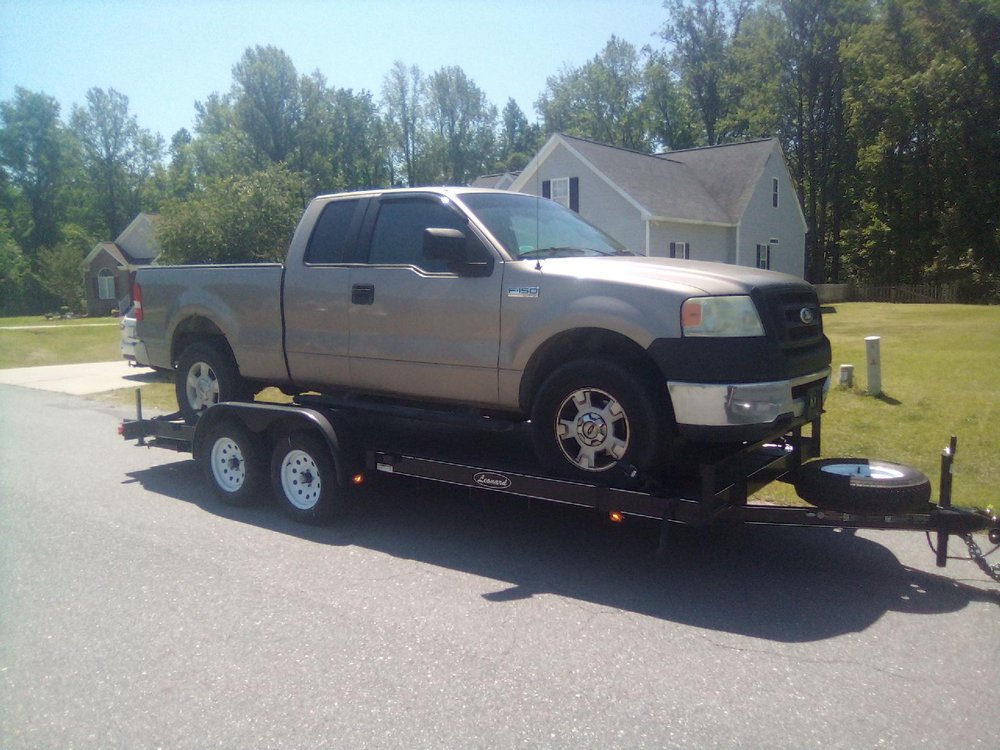
Broke Down on a Dark Country Road at Night: How to Stay Safe
· Kountry Boys Auto Towing & Hauling
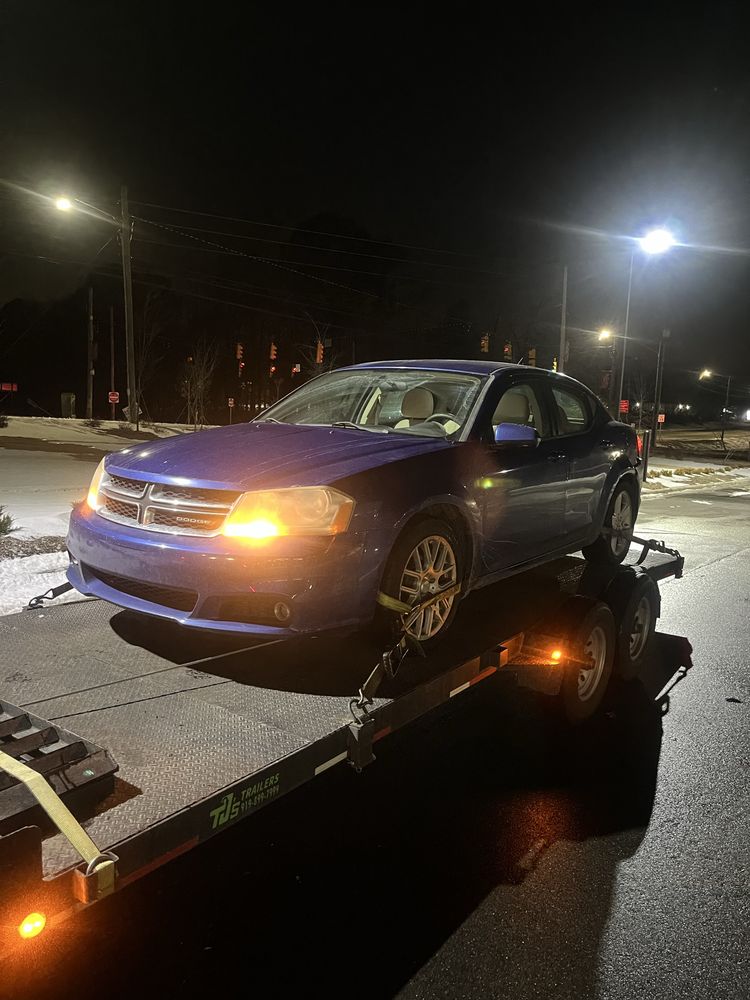
The country roads around Wilson County are peaceful during the day. At night they're a different story: no streetlights, long stretches between houses, and cars that come up on you fast. Breaking down out there can feel lonely and a little scary.
The good news is that a few simple steps keep you visible, keep you safe and help a tow truck find you quickly.
Get off the road and get visible
- Turn on your hazard lights the second something goes wrong.
- Pull as far onto the shoulder as you safely can. Watch for soft ground and ditches; getting stuck makes the night longer.
- If you can coast to a driveway, a church lot or a wide spot, do it.
- Leave your hazards on the entire time you're waiting.
If your car stops in the travel lane and won't move, call 911. A dark car in a lane on a two-lane road is a real danger.
Lights: hazards, headlights or both?
Your hazard lights are the most important light you have. They tell other drivers you're stopped, not moving slowly.
Headlights are a judgment call. If you're on the shoulder, parking lights or low beams plus hazards help other drivers see your car's outline. But headlights pointed at oncoming traffic can blind drivers, and they drain your battery faster. If your car is having electrical trouble or a weak battery, save it for the hazards.
Stay in the car or get out?
On most dark country roads, staying in your car with the doors locked and your seatbelt on is the safer choice, as long as the car is off the road. Shoulders are narrow, there's often no guardrail, and you're hard to see standing in the dark.
Get out and move well away from the road if:
- You smell fuel or see smoke.
- Your car is partly in the lane and could be hit.
- You're on a curve or hill where drivers can't see you in time.
Tell us where you are without an address
Back roads often don't have house numbers anywhere near you. Here's how to describe your location:
- Open your phone's map app and read off your location, or share a pin.
- Give the road name and the last crossroad you passed.
- Mention anything you can see: a church, a farm sign, a grain bin, a store.
- Tell us which direction you were heading.
What to keep in your car for nights like this
You don't need a full survival kit. A few things make a big difference:
- A flashlight, with spare batteries or a rechargeable one.
- A phone charging cable and a small power bank.
- Reflective triangles or flares, if you're comfortable setting them out safely.
- Water and a snack.
- A blanket or jacket, because cars cool off fast when they're off.
- Jumper cables or a portable jump pack.
While you wait
- Keep your doors locked.
- Lower your screen brightness and close apps to save battery.
- Keep an eye on your mirrors so you can see who's approaching.
- If someone stops and you're not comfortable, stay inside and talk through a cracked window. You can tell them help is already on the way.
- Ask the tow company what the truck looks like so you know it's the right one.
What usually caused it
Nighttime breakdowns on rural roads tend to be the same handful of problems: a dead battery, a flat, or running out of gas because the next station was farther than expected. Many of these can be fixed right there. Our jump start and fuel delivery services handle the common ones, and if the car really won't go, our towing gets it home or to your shop.
The bottom line
Be visible, stay locked in, know where you are, and call someone who answers at night. Kountry Boys is open 24/7, and Will picks up.
Why nights on back roads feel different
During the day, a breakdown on a country road around Wilson County is usually just an inconvenience. Someone you know might drive by, and you can see where you are. At night, it's harder to judge distances, harder for other drivers to spot you, and harder to describe your location. Fields and tree lines look the same in the dark.
That's why preparation matters more at night. A charged phone, a flashlight and a habit of knowing which road you're on make a big difference.
Small habits that help before you ever break down
- Keep your gas tank above a quarter at night, especially on long rural drives.
- Pay attention to road signs and crossroads as you drive, so you know where you are.
- Let someone know your route and when you expect to arrive.
- Keep your phone charged before you leave and plug it in while you drive.
- Replace an old battery before winter or a long trip.
If someone you don't know stops
Most people who stop are trying to help. Still, you're in control. You can stay in your locked car, keep the window cracked, and thank them while telling them help is on the way. If you feel unsafe at any point, call 911.
When to call 911 instead of a tow company
Call 911 first if anyone is hurt, if you're stuck in a travel lane, if you see smoke or fire, or if you feel threatened. A tow company can handle the car afterward.