Hurricane Season in Eastern NC: Your Car Before and After the Storm
· Kountry Boys Auto Towing & Hauling
If you've lived in Eastern North Carolina for a while, you know the routine when a storm is coming: water, batteries, gas, and a lot of checking the forecast. Your car deserves a spot on that list too. A little prep before a hurricane or tropical storm can keep it out of the water, and a little patience afterward can keep a wet car from turning into a total loss.
Before the storm: a car checklist
You don't need anything fancy. Most of this takes an afternoon.
- Fill the tank. Gas stations can close or lose power after a storm, and lines get long.
- Check the basics: tire pressure, wipers, and that your spare actually holds air.
- Charge a phone power bank and keep a car charger in the vehicle.
- Put copies of your registration and insurance card in a sealed bag in the glove box.
- Pack a small kit: flashlight, water, a blanket, basic first aid and any medicine you need.
- Take photos of your car, inside and out, in case you need them later.
Where to park
Water is the biggest threat to your car in a storm, more than wind. Low spots that never seem to flood can surprise you after a big rain.
- Park on the highest ground you can get to, away from creeks, ditches and low parking lots.
- Stay out from under big trees and power lines that could come down.
- A garage is great, as long as it's not at the bottom of a slope where water collects.
- If you have more than one car, don't park them all in the same low spot.
During the storm
Stay off the roads unless you absolutely have to go. If you do drive, never drive through water across the road. You can't tell how deep it is, whether the road under it is washed out, or how fast it's moving. Turn around.
After the storm: don't start a flooded car
This is the big one. If your car sat in water, especially water that reached the floor or higher, don't try to start it.
Water can get into the engine's air intake, fuel system and electrical parts. Turning the key on a flooded engine can pull water into the cylinders and cause serious engine damage that might not have happened if you'd left it alone. Electrical systems can also short out once power hits wet parts.
Signs a car may have been flooded:
- A water line on the doors, seats or carpet.
- Wet or muddy carpet and floor mats.
- Mud or debris in the engine bay, trunk or under the seats.
- A musty smell inside.
- Fog or water inside the headlights or taillights.
If you see any of that, leave the key out of the ignition and get the car checked by a shop.
Getting a flooded car to the shop
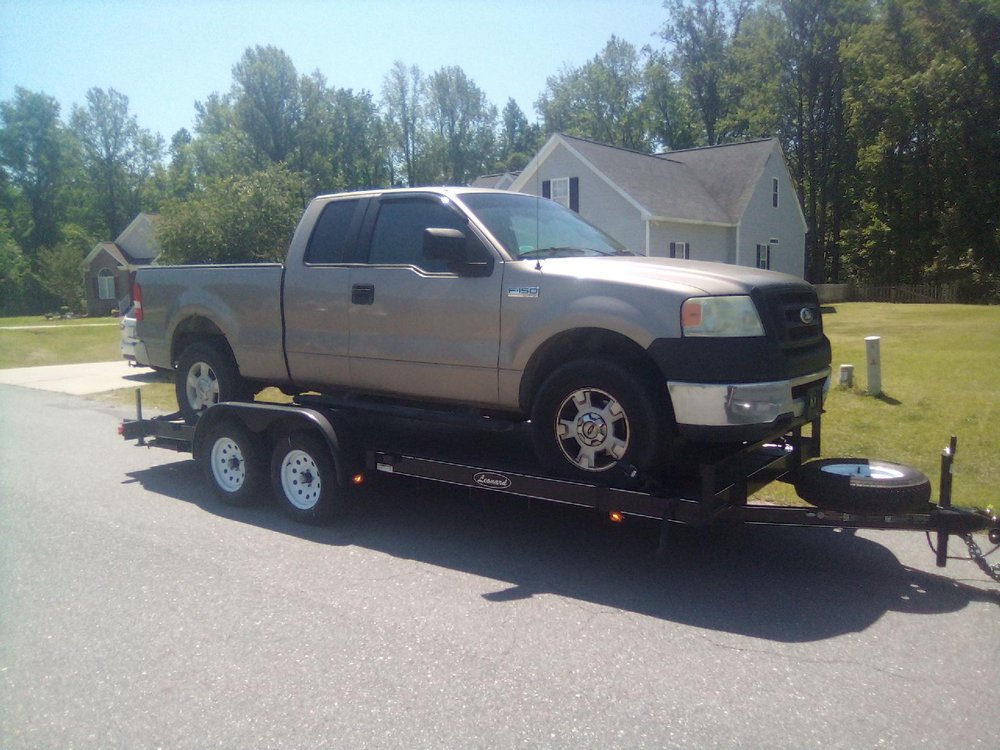
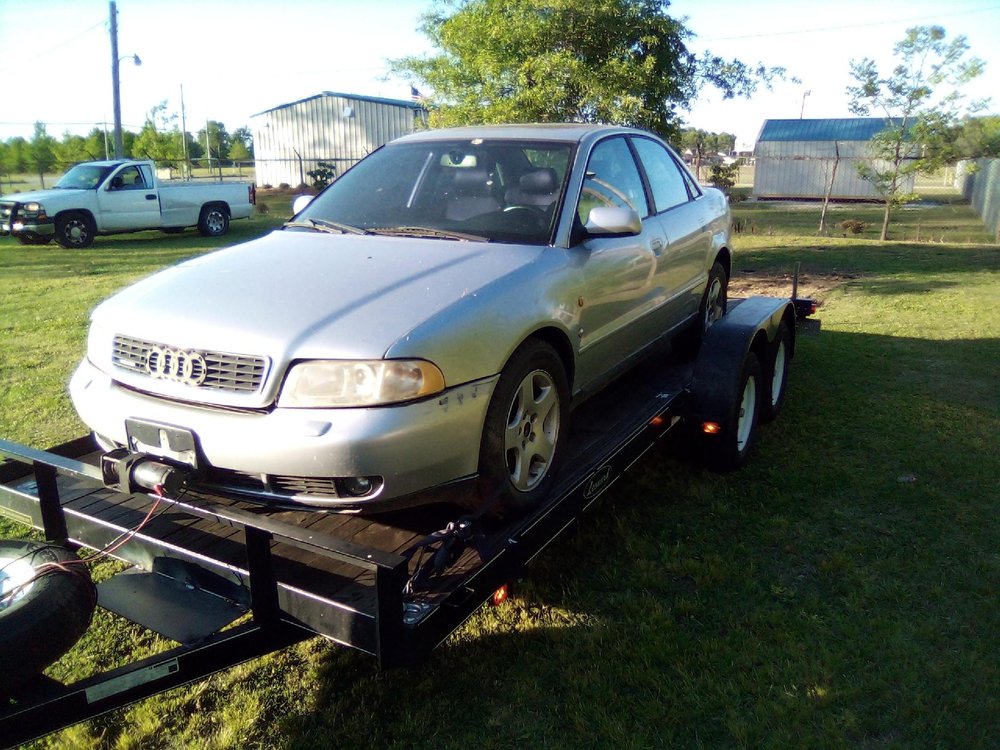
A flooded car should be towed, not driven. A flatbed tow is the safest way to move it because all four wheels ride on the bed and nothing on the car has to turn or run. Tell us it was in water when you call so we bring the right setup, and so the shop knows what's coming. Our general towing page has more on how we handle cars that won't drive.
Batteries after a storm
Even cars that stayed dry sometimes won't start after sitting through a long power outage and several days of rain. Before you assume the worst, it may just be a weak battery. A jump start can sort that out quickly. If the car still won't start after a jump, it may need a closer look.
A note on patience
After a big storm, everyone needs help at once: tow companies, shops and insurance adjusters. Calls take longer, and roads can stay closed. Be honest about where you are and what you see, and you'll get an honest answer back on timing.
Make a plan for where your car will ride out the storm
Before hurricane season gets going, take a few minutes to pick a spot. Think about where water collected the last time a big rain came through: low corners of parking lots, the end of a driveway near a ditch, or a street that turns into a creek after a downpour. Then pick a spot higher up, even if it's a short walk from home.
If you plan to evacuate, decide early which car you'll take and leave enough time to fill it up. Waiting until the last day often means long lines and empty pumps.
Insurance and paperwork
- Check that your insurance card and registration are current.
- Know how to reach your insurance company and keep the number saved in your phone.
- Take dated photos of your car's condition before the storm.
- Keep receipts for any towing or repairs after the storm.
Things that can wait, and things that can't
Some storm damage is cosmetic. A dented panel or a scratched bumper from blowing debris can usually wait for a shop appointment. Other problems shouldn't be driven on at all:
- Signs the car sat in water.
- Broken glass that makes it unsafe to see out.
- A tree limb that hit the roof or hood hard.
- Warning lights that came on after the storm.
When in doubt, get it looked at before you drive it.